The simplest way to think about the three types
On-grid means your solar system works with the CEB/LECO grid and typically uses one of the rooftop connection schemes (Net Metering, Net Accounting, or Net Plus). Off-grid means your system runs independently with batteries and does not rely on the grid. Hybrid means you are grid-connected but you also have battery storage, so you can use solar, charge batteries, and still use the grid when needed.
On-grid solar (grid-tied)
How it works
Your solar panels generate electricity during the day. Your building uses that power first; any extra can be exported to the grid depending on your scheme, and at night you use electricity from the grid as usual. In most on-grid setups, there is no battery backup, so during a power cut the inverter typically shuts down for safety (anti-islanding).
Best Sri Lanka use-cases
Homes and small businesses that want the biggest bill reduction for the lowest upfront cost. This is usually the most common entry point because grid-tied systems are simpler and cheaper than adding batteries.
Good to know in Sri Lanka
If you are going with Net Metering, the practical approach is to size the solar system close to your monthly consumption because it’s mainly for bill offset, not “selling power.”
Off-grid solar (standalone)
How it works
Your solar charges batteries through a charge controller or hybrid/off-grid inverter. The batteries supply your loads day and night. Many off-grid systems also include a generator option for long cloudy periods or heavier loads.
Best Sri Lanka use-cases
Locations with no reliable grid access or where grid connection is very difficult or expensive, such as remote sites, temporary facilities, small farms, or specific critical loads that must keep running even if the grid is unavailable.
Trade-offs
Off-grid systems cost more because batteries are essential, and you must design carefully to avoid running out of stored energy. Battery replacement planning is part of the long-term cost.
Hybrid solar (grid + batteries)
How it works
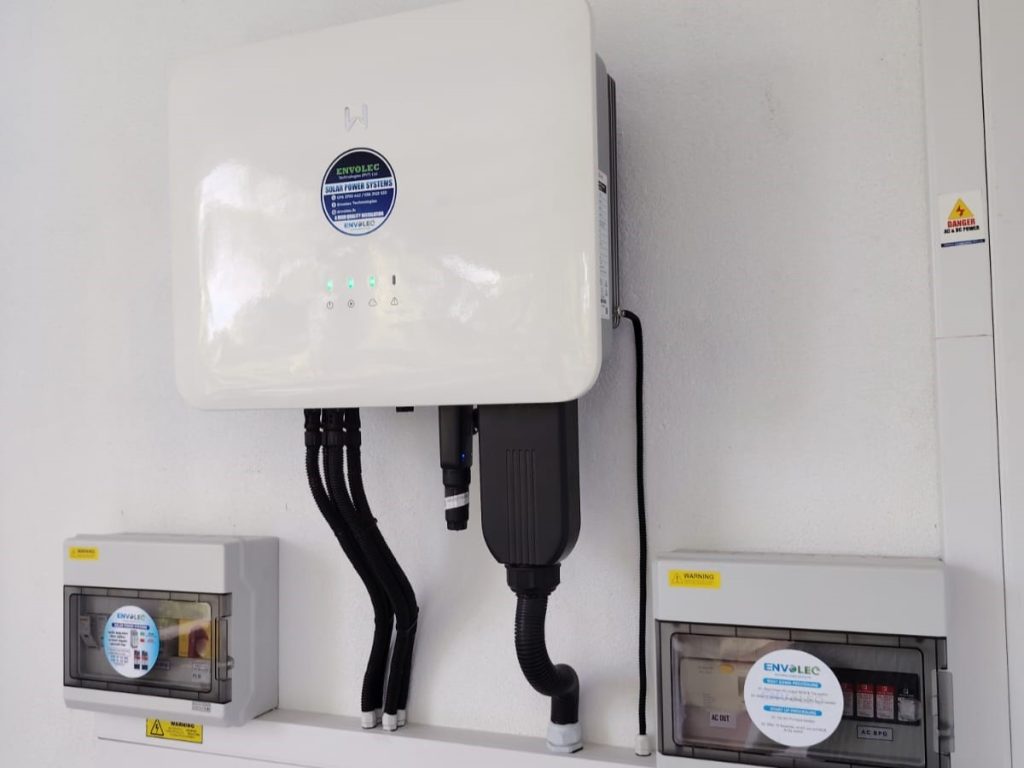
Hybrid is grid-connected like on-grid solar, but it also includes battery storage. During the day you can run loads from solar, charge batteries with surplus, and optionally export based on the approved configuration. During a power cut, a properly designed hybrid system can keep selected loads running from battery (often via a backup/essential loads panel). PUCSL guidelines in Sri Lanka explicitly cover grid-tied rooftop solar inverters with energy storage systems, which is the technical category hybrid systems fall under.
Best Sri Lanka use-cases
Homes and businesses that want bill reduction plus backup power for outages, or people who have critical loads like routers, security, lighting, medical devices, servers, or business equipment that should not go off.
Trade-offs
Hybrid costs more upfront than pure on-grid due to batteries and additional protection/backup design, but it delivers resilience and smoother power availability.
Quick decision guide (choose the best type for you)
Choose on-grid if
Your priority is lowest upfront cost and maximum bill reduction, and you can tolerate power cuts without needing backup.
Choose off-grid if
You cannot rely on the grid at all, or you are building a standalone setup where battery autonomy is the main requirement.
Choose hybrid if
You want bill reduction and backup power, and you are willing to invest more upfront for batteries and a proper essential-loads design.
Common confusion to avoid
Net Metering, Net Accounting, and Net Plus are not system types. They are grid connection and billing schemes used with grid-tied setups (on-grid, and some hybrid configurations depending on approvals and connection standards). The system type is on-grid/off-grid/hybrid; the scheme is how exports/imports are treated on your bill.
Final note (and how Envolec can help)
If you want the right answer for your building, it comes from a quick review of your electricity bills, your daytime usage pattern, and a site survey (roof space, shading, wiring, and backup needs). Envolec Technologies (PVT) LTD can recommend whether on-grid, off-grid, or hybrid fits you best and handle the full setup.
Envolec Technologies (PVT) LTD
Phone Number: +94 76 373 3442
They have completed over 30+ projects island wide, and you can check customer feedback on Reviews Along with solar panel solutions, they also provide other solar-related services and solar components, so you can build a complete, reliable setup with one team.