Why these schemes exist (the quick idea)
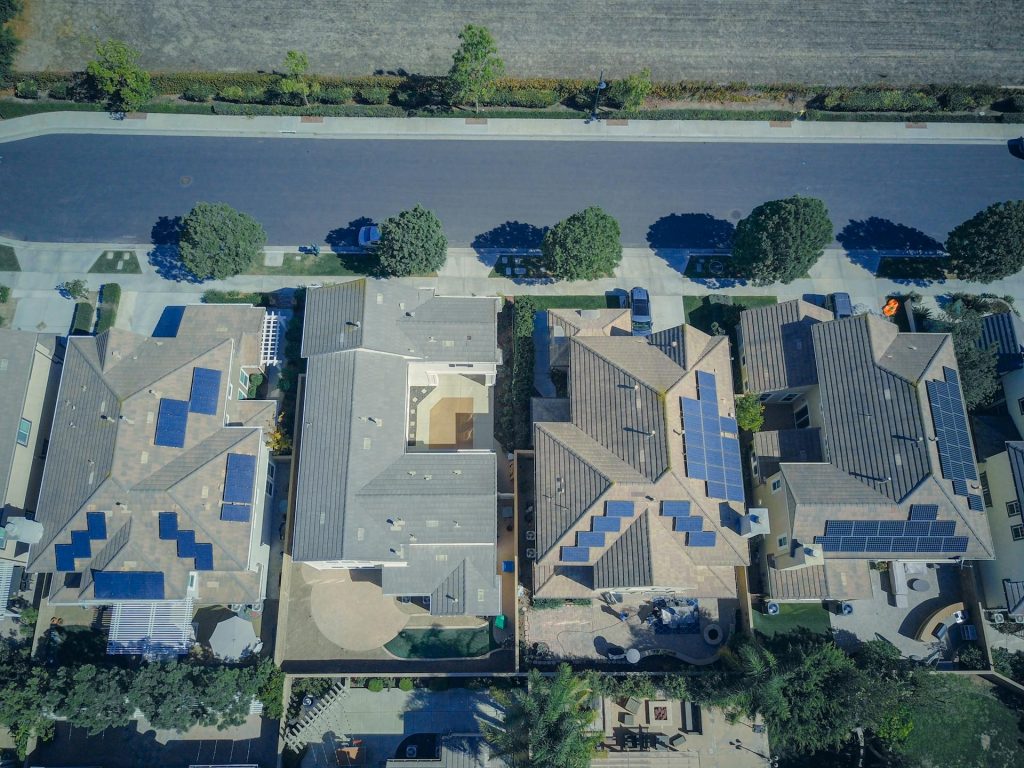
If you install an on-grid rooftop solar system in Sri Lanka, you can connect it to the national grid through CEB or LECO. These three schemes decide how your monthly electricity bill is calculated and what happens to the extra solar power you send back to the grid.
Net Accounting
You still use solar first. If you export extra, you get paid for the exported surplus at a predefined tariff, while you also pay for what you import from the grid.
Net Plus
All electricity generated by your solar system is exported to the grid, and you are paid for that generation. Your normal electricity consumption is measured separately (typically with two meters).
Net Metering
You “store” excess solar energy in the grid as energy credits. Your bill is based on the net units after subtracting export from import (within the billing period).
In net metering, your home or business consumes solar power first during the day. If you generate more than you use at that moment, the excess goes to the grid and becomes a credit. At the end of the billing cycle, the utility compares how much you imported from the grid vs how much you exported, and you pay based on the “net” units.
Net metering is usually best for people who mainly want to reduce their electricity bill and expect their daytime solar generation to be close to their overall consumption across the month.
Net Accounting
You still use solar first. If you export extra, you get paid for the exported surplus at a predefined tariff, while you also pay for what you import from the grid.
Net accounting is similar in how the system is connected and how you consume solar first. The key difference is what happens when you export more than you import in a billing period: instead of only carrying forward energy credits, you can receive a payment for exported surplus at a predefined tariff (while imports are still billed normally).
Net accounting often suits homes and businesses that can generate noticeable surplus (for example, good roof space, minimal daytime use, or seasonal/variable consumption), and want bill reduction plus some export value.
Net Plus
All electricity generated by your solar system is exported to the grid, and you are paid for that generation. Your normal electricity consumption is measured separately (typically with two meters).
Net Plus is structured differently: all the electricity your solar system generates is exported to the grid, and you get paid for that generated/exported amount at a predefined tariff. Your property’s electricity consumption is measured separately and billed normally, which is why this scheme typically uses separate metering for import and export.
Net Plus is often considered when the goal is selling solar generation to the grid rather than directly offsetting your own usage. Whether it is a good fit depends heavily on your consumption pattern, available roof area, and the applicable tariff and rules at the time you apply.
Which one should you choose? (simple decision guide)
Choose Net Metering if
- Your main goal is to reduce your monthly bill
- Your consumption and generation are expected to balance reasonably over the month
- You prefer a simpler “offset the bill” concept
Choose Net Accounting if
- You expect surplus export and want value for exported units
- You want a mix of self-consumption savings and export earnings
Choose Net Plus if
- You are treating the solar system more like a generation asset that sells power
- Your setup and approvals align with the scheme requirements (including separate import/export measurement)
Metering and billing: what people commonly misunderstand
- Solar export is not “free money” by default. The scheme determines whether exports become credits (net metering) or are paid at a set tariff (net accounting / net plus).
- Net Plus is not the same as net accounting. Net Plus is designed around exporting overall generation and measuring consumption separately. Net accounting is still “consume first, export surplus” like net metering, but with payment for surplus exports.
- Your best scheme depends on your real usage pattern. A household that uses most power at night may benefit from a different approach than a daytime-heavy business.
CEB vs LECO: do schemes differ?
The schemes are broadly the same concepts because they are regulated and implemented through the distribution licensees (CEB or LECO). However, application steps, processing times, and practical requirements can vary by area and network conditions, so it’s important to confirm the latest requirements with your utility and installer during the site survey and application stage.
Final note (and how Envolec can help)
If you’re unsure which scheme fits your bill, roof, and goals, Envolec Technologies (PVT) LTD can guide you through the best option and the end-to-end rooftop solar process.
Envolec Technologies (PVT) LTD
Phone: +94 76 373 3442
They have completed over 30+ projects island wide, and you can check customer feedback on Reviews Along with solar panel solutions, they also provide other solar-related services and solar components, so you can build a complete, reliable setup with one team.