If you are planning to switch to renewable energy in 2026, understanding the CEB solar approval process is just as important as choosing the right panels. With the introduction of the new 2026 National Electricity Policy, the grid connection landscape in Sri Lanka has seen some important updates—most notably the shift toward mandatory “Net Plus” agreements and smart metering for new installations.
Navigating the bureaucracy might seem daunting, but it is actually a straightforward procedure when handled correctly. Here is the up-to-date, step-by-step guide on how to secure your solar grid connection Sri Lanka residents and businesses need to get up and running.
Step 1: Pre-Clearance and Application Submission
Before you purchase any equipment, you must obtain initial clearance from the Ceylon Electricity Board (CEB) or the Lanka Electricity Company (LECO), depending on your regional provider.
- The 2026 Update: The CEB now heavily encourages initiating this through their online Rooftop Solar PV clearance portal.
- Your chosen solar provider will typically help you fill out the application form. You will need to submit a recent electricity bill, proof of property ownership (like a deed, assessment receipt, or Grama Niladhari certificate), and your National Identity Card (NIC).
Step 2: Site Inspection and Estimate Approval
Once your application is submitted, a representative or Area Engineer from the CEB or LECO will visit your property. They will assess your current electrical setup, transformer capacity in your area, and roof safety (note: CEB will reject installations on highly flammable roofs like cadjan).
- If your site passes the inspection, the utility provider will issue an estimate for the grid connection costs.
- Once you pay this voucher at a designated bank or CEB/LECO POS counter, you are officially cleared to begin the physical installation.
Step 3: Installation and Smart Meter Integration
With the green light given, your solar installation team will mount the panels and set up the inverters.
- The 2026 Smart Meter Mandate: Under the January 2026 National Electricity Policy, all new rooftop agreements must be signed on a Net Plus basis (where generation and consumption are metered entirely separately). Your system must be installed with compatible smart meters that the distribution licensees can access remotely. This means your home will likely be set up with two meters: one for the electricity you import from the grid, and one for the solar energy you export.
Step 4: Final Certification and Grid Connection
You cannot simply switch the system on once the panels are on the roof. The installation must be certified.
- A Chartered Electrical Engineer must certify that the electrical installation meets all safety and technical standards.
- Once this certification is submitted, the CEB or LECO Area Engineer will perform a final test. If the setup complies with the required standards, you will sign your 20-year grid connection agreement, and your solar system will be officially synchronized with the national grid.
Why You Shouldn’t Do It Alone
Handling a LECO net metering application or a CEB Net Plus approval can be time-consuming, especially with the strict 2026 technical requirements. Any mistake in the paperwork or failure to meet the correct wiring standards can lead to frustrating delays and costly revisits by utility engineers.
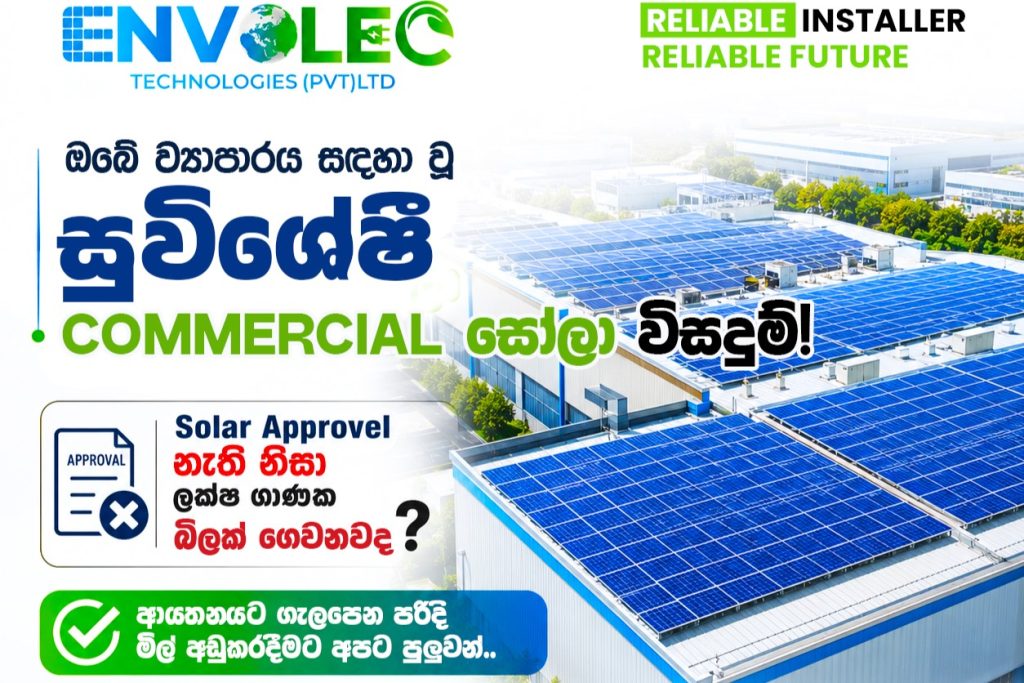
This is where having a trusted partner makes all the difference. Envolec Technologies (PVT) Ltd doesn’t just install premium solar hardware; they handle the entire bureaucratic process from end to end. From applying for your initial CEB/LECO clearance to securing the final Chartered Engineer’s certification, their experienced team ensures your system is approved and grid-connected without the headache. To get started with a hassle-free solar installation, you can contact them at +94 76 373 3442 or visit envolec.lk to book your initial site survey.